
How Flagstaff’s High Elevation and Weather Impact Exterior Paint
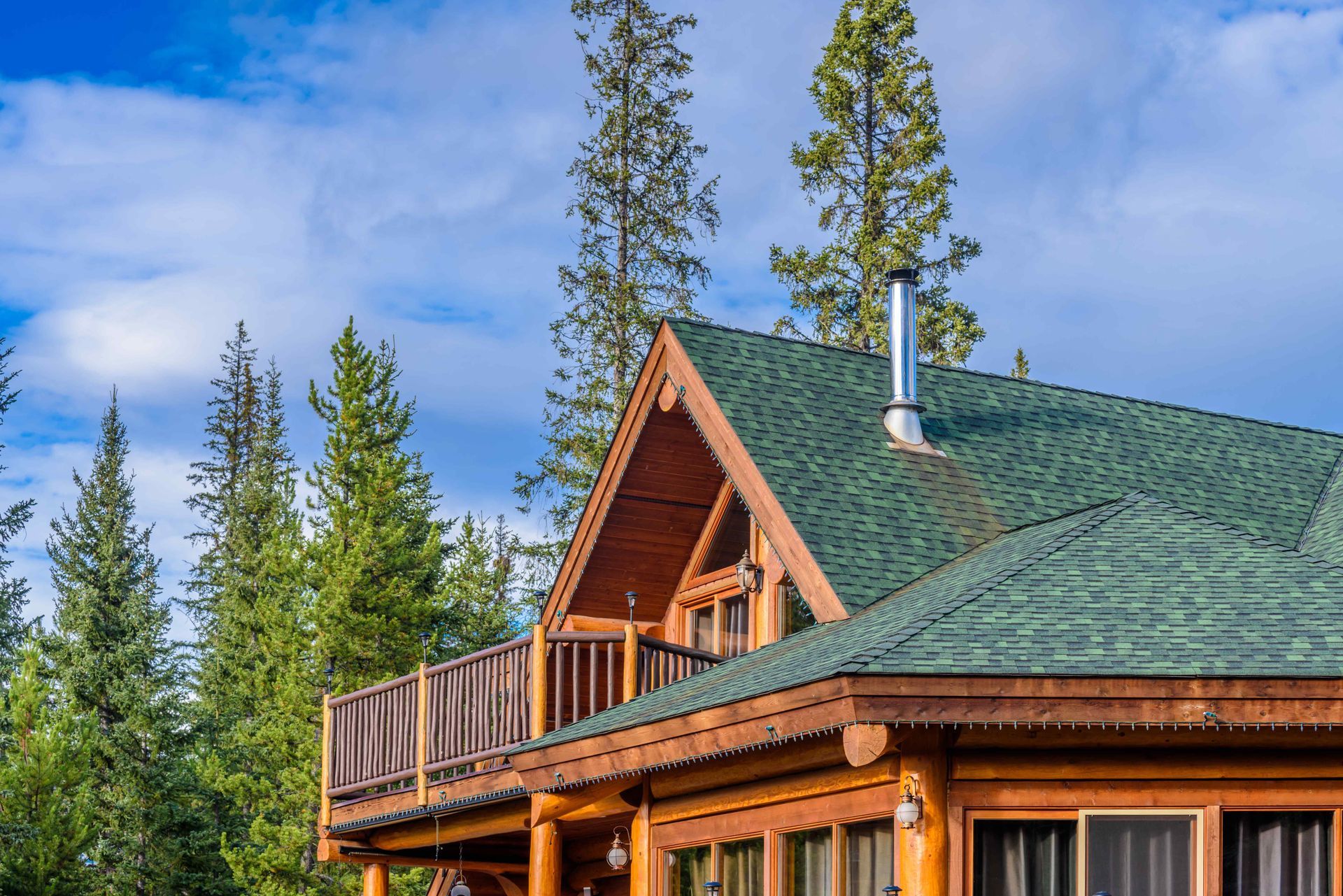
Flagstaff, Arizona is one of the most beautiful places in the Southwest to own a home—but it is also one of the most challenging environments for exterior paint. Sitting at nearly 7,000 feet in elevation and experiencing all four seasons in full force, Flagstaff’s climate puts unique stress on homes that many homeowners underestimate.
If you are searching for painters in Flagstaff, comparing painting contractors, or planning a home painting project, understanding how elevation and weather affect exterior paint can help you make smarter, longer-lasting decisions. In this guide, we will break down how sun exposure, snow, freeze–thaw cycles, and wind impact exterior paint—and what homeowners should look for in durable coatings designed to perform in Northern Arizona.
Why Flagstaff’s Climate Is Different
Flagstaff is not a typical Arizona climate. While many people associate the state with desert heat, Flagstaff experiences:
- High elevation (6,900–7,200 feet)
- Intense UV exposure
- Cold winters with heavy snowfall
- Frequent freeze–thaw cycles
- Strong seasonal winds
- Large daily temperature swings
These factors combine to create a harsh environment for exterior paint. Homes that are painted with products or techniques designed for lower elevations or milder climates often show premature failure—sometimes in just a few years.
Professional painting contractors who service Flagstaff understand that exterior paint here must do more than look good. It must flex, breathe, and protect against moisture and UV radiation simultaneously.
How High Elevation Affects Exterior Paint
Increased UV Radiation
At higher elevations, the atmosphere is thinner, which means less natural filtration of ultraviolet (UV) rays. In Flagstaff, UV exposure is significantly stronger than in lower-elevation cities like Phoenix or Tucson.
How UV damages paint:
- Breaks down paint binders
- Causes color fading and chalking
- Reduces elasticity over time
- Weakens protective top layers
Darker paint colors are especially vulnerable to UV damage, as they absorb more heat and radiation. Without UV-resistant coatings, exterior paint can fade unevenly, crack, or lose adhesion much faster than expected.
This is why experienced painters in Flagstaff often recommend premium exterior paints with enhanced UV inhibitors—even though they cost more upfront.
Sun Exposure: Not Just a Summer Problem
While summer sun is intense in Flagstaff, sun exposure impacts paint year-round. Clear winter days at high elevation can still deliver strong UV rays, especially on south- and west-facing walls.
Common Sun-Related Paint Issues
- Fading and discoloration
- Brittle paint that cracks under stress
- Loss of sheen and protective qualities
- Uneven aging between shaded and sun-facing sides of the home
Homes with large, unshaded exposures often require different paint strategies for different sides of the structure. A professional home painting contractor may recommend higher-performance coatings or additional layers on sun-facing walls to extend longevity.
Snow and Moisture: The Silent Paint Killer
Flagstaff averages over 100 inches of snow per year. While snow itself is not harmful, the moisture it introduces—and how long it lingers—can be extremely damaging to exterior paint systems.
How Snow Impacts Exterior Paint
- Melting snow introduces moisture into siding and trim
- Prolonged dampness weakens paint adhesion
- Ice dams and roof runoff concentrate water near fascia and trim
- Shaded areas dry slowly, increasing moisture exposure
When moisture penetrates beneath paint, it can cause blistering, peeling, and eventual wood rot. This is especially common around windows, doors, eaves, or deck and patios.
Quality exterior paint designed for cold climates is formulated to resist moisture intrusion while still allowing trapped vapor to escape—a critical balance in snowy regions like Flagstaff.
Freeze–Thaw Cycles: Expansion, Contraction, and Cracking
One of the most destructive forces for exterior paint in Flagstaff is the freeze–thaw cycle. During winter and early spring, temperatures often fluctuate above and below freezing within a 24-hour period.
Why Freeze–Thaw Cycles Matter
- Moisture enters microscopic cracks or pores
- Freezing causes expansion
- Thawing causes contraction
- Repeated cycles widen cracks and break paint bonds
Paint that lacks flexibility will crack under this constant movement. Once cracking begins, moisture penetration accelerates, leading to peeling and substrate damage.
This is why painting contractors in Flagstaff prioritize flexible, elastomeric, or high-quality acrylic paints that can expand and contract without failing.
Wind Exposure and Airborne Debris
Flagstaff experiences frequent high winds, especially in spring and fall. Wind contributes to exterior paint wear in several ways:
- Abrasion from dust, sand, and debris
- Accelerated drying during application
- Increased risk of uneven coverage if applied improperly
- Greater exposure of underlying materials once paint begins to fail
Wind also drives moisture into small openings around trim, joints, and seams. Over time, this combination of abrasion and moisture can significantly shorten the lifespan of exterior paint.
Experienced painters in Flagstaff carefully plan paint application around wind conditions and use products designed to withstand abrasive environments.
What Homeowners Should Look for in Durable Exterior Paint
Choosing the right exterior paint is just as important as choosing the right contractor. Not all paints are created equal, and many products marketed as “exterior” are not suitable for high-elevation mountain climates.
Key Features to Look For
1. 100% Acrylic or Advanced Acrylic Blends
Acrylic paints offer superior flexibility, adhesion, and UV resistance compared to vinyl or oil-based products. They perform better in freeze–thaw conditions and resist cracking over time.
2. UV-Resistant Pigments
Look for paints specifically engineered with UV inhibitors to slow fading and binder breakdown. This is especially important for darker or richer colors.
3. Moisture Resistance with Breathability
Paint must repel liquid water while allowing water vapor to escape. This balance prevents blistering and peeling caused by trapped moisture.
4. Thicker Film Build
Higher-quality paints form a thicker protective layer, offering better insulation against temperature swings and environmental stress.
5. Proven Cold-Climate Performance
Not all paints are rated for low-temperature application or long-term cold exposure. A professional painting contractor will select products tested in climates similar to Flagstaff.
Surface Preparation Matters More in Flagstaff
Even the best exterior paint will fail if surface preparation is rushed or incomplete. In Flagstaff’s climate, prep work is often the difference between paint lasting 5 years versus 10–15 years.
Critical Prep Steps Include:
- Thorough washing to remove dust, pollen, and mildew
- Scraping and sanding loose or failing paint
- Repairing wood damage caused by moisture
- Proper priming for adhesion and moisture control
- Sealing joints, seams, and penetrations
Professional home painting services understand that prep time is not optional—it is an investment in durability.
How Often Should Homes Be Repainted in Flagstaff?
In milder climates, exterior paint may last 10–15 years or more. In Flagstaff, timelines vary depending on exposure, materials, and paint quality.
Typical Repaint Timelines
- High sun and wind exposure: 5–7 years
- Moderate exposure with premium paint: 8–12 years
- Well-protected homes with excellent prep: 12–15 years
Regular inspections can catch early signs of failure—such as chalking, hairline cracks, or peeling—before extensive damage occurs.
Interior Paint vs. Exterior Paint: Why Climate Still Matters
While this article focuses on exterior paint, Flagstaff’s climate also influences interior paint choices. Dry air, temperature swings, and seasonal humidity changes can cause interior walls to expand and contract slightly.
Quality interior paints with flexible resins help prevent cracking and maintain a clean finish over time. Professional painters in Flagstaff often recommend higher-grade interior products for long-term performance, especially in older homes.
Why Hiring Local Painters in Flagstaff Matters
Painting contractors from outside the area may not fully understand how Flagstaff’s elevation and weather affect paint systems. Local expertise matters.
Benefits of Hiring Local Painting Contractors
- Knowledge of climate-specific challenges
- Experience with local building materials
- Proper product selection for high elevation
- Timing projects around seasonal weather patterns
- Long-term accountability and support
When searching for painters in Flagstaff, look for contractors who can clearly explain why they recommend certain products and processes—not just provide a price.
Final Thoughts: Painting for Longevity in Flagstaff
Flagstaff’s climate is demanding, but with the right approach, exterior paint can protect and beautify your home for many years. Understanding how high elevation, sun exposure, snow, freeze–thaw cycles, and wind impact paint allows homeowners to make informed decisions.
By working with experienced painting contractors, investing in high-quality exterior paint, and prioritizing proper preparation, you can avoid premature paint failure and costly repairs.
If you are planning a home painting project or evaluating your current paint condition, partnering with knowledgeable painters in Flagstaff is the best way to ensure your investment stands up to Northern Arizona’s unique environment.
A well-painted home is not just about appearance—it is about protection, durability, and peace of mind.